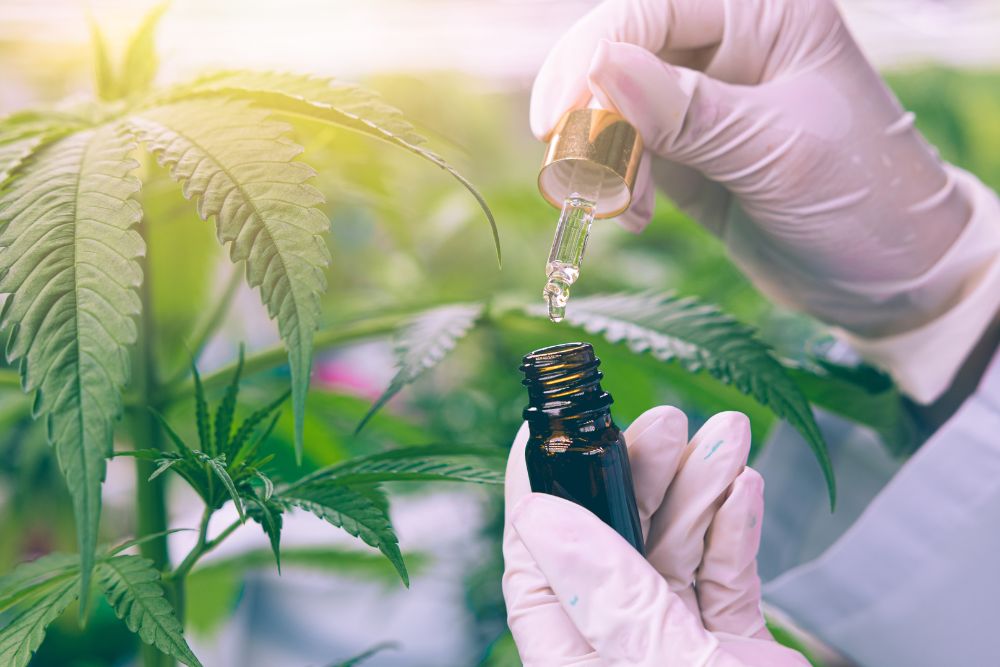
At Botanical Sciences, we help Georgians manage lupus with personalized medical cannabis care grounded in clinical guidance and compassion. Research suggests that medical marijuana may help with joint pain, inflammation, fatigue, and related lupus symptoms when used within a physician-guided plan. Thanks to Georgia’s Senate Bill (S.B.) 220 (2026), lupus is now a qualifying condition for a medical marijuana card, which opens another path to relief for people living with this autoimmune disease. Our team can help you access high-quality, in-house-cultivated products designed for reliable relief close to home.
What is Lupus?
Lupus, most often systemic lupus erythematosus, is a chronic autoimmune disease where the immune system mistakenly targets healthy tissues. This misdirection can inflame the skin, joints, kidneys, heart, lungs, and the nervous system. While every person’s experience is unique, many Georgians living with lupus report symptoms such as:
- Tender, swollen joints
- Persistent fatigue
- Low-grade fevers
- Headaches
- The classic butterfly rash across the cheeks and nose
- Photosensitivity
- Mouth or nose sores
- Raynaud’s phenomenon, with color changes in fingers or toes
- Chest pain with deep breathing
- Hair thinning
- Brain fog or memory trouble
Symptoms often come in waves. Periods of relative calm may be followed by flare-ups when inflammation spikes, pain and stiffness intensify, and brain fog becomes more noticeable. These fluctuations can disrupt daily routines, sleep, mood, and work or school.
Although there is no cure, coordinated care can reduce symptom burden and protect organ health. For some individuals, medical cannabis may be considered as part of a physician-guided plan focused on relief, mobility, daily function, and quality of life.
Medical Marijuana & Lupus: Research & Recommendations
The body’s endocannabinoid system is a network of receptors (CB1 and CB2), signaling molecules, and enzymes that helps regulate pain sensation, immune function, mood, and sleep. Cannabinoids found in medical cannabis (tetrahydrocannabinol, THC, and cannabidiol, CBD) can interact with this system. CBD is being studied for potential anti-inflammatory and immunomodulatory effects, and THC may provide analgesia and relaxation for some patients.
Early laboratory and animal research suggests that cannabinoids may dampen overactive immune responses and reduce inflammatory signaling relevant to autoimmune conditions. Although clinical evidence specifically focused on lupus remains limited, mechanistic research and patient reports suggest potential benefits for pain and sleep during flare-ups. Patients also describe lower stress when therapy is planned thoughtfully.
Because lupus can involve multiple organs and medications, any alternative treatment should be aligned with your rheumatologist’s plan. That often means choosing standardized, lab-tested products, starting with conservative doses, keeping a simple log, and monitoring symptom changes with attention to side effects. Care should be practical and grounded in current evidence, with compassion for your day-to-day reality. The goal is to make informed decisions that fit your health goals.
Benefits of Medical Marijuana for Lupus
1. Pain Relief
Joint pain and muscle aches are common daily hurdles in lupus. Cannabinoids influence pain pathways and pain perception, which may help some people move more comfortably. Patients report that measured use of medical cannabis products can reduce morning stiffness, make activity easier, lessen lingering discomfort after a long day, and support recovery.
For precise, consistent dosing, formulations such as tinctures and capsules are frequently chosen. Certain edibles also provide measured amounts. Topicals such as transdermal creams may support localized relief in areas like the hands and knees. Some patients also apply them to the shoulders for targeted support without whole-body effects.
2. Anti-Inflammatory Support
Inflammation is central to lupus. Preliminary studies suggest CBD may modulate pro-inflammatory signaling and interact with CB2 receptors on immune cells. CBD-forward products are sometimes used alongside standard lupus regimens to support the body’s efforts to calm excessive immune activity during flare-ups.
Many patients prefer formulations with balanced CBD and THC, or daytime CBD with evening THC, depending on goals and sensitivity. Your care team can help you consider how CBD might fit alongside conventional medications.
3. Improved Sleep Quality
Pain and nighttime stiffness can undermine restorative sleep. Certain medical cannabis products, particularly those with carefully titrated THC, may assist with falling asleep and staying asleep. Better sleep can support next-day energy and overall resilience.
Edibles such as squares, melts, and lozenges are often chosen for their longer duration. Evening tinctures are another option when a consistent routine is desired. The key is careful, consistent use, with your clinician informed about your sleep patterns and any next-day grogginess.
4. Mood and Stress Management
Living with a chronic autoimmune condition adds stress, and stress can worsen symptoms. Medical cannabis may help some individuals feel calmer and less tense as they navigate unpredictable days. CBD-focused products can be a reasonable daytime starting point without intoxication, while low-dose THC may support evening decompression when appropriate.
Combining mindfulness with physical therapy can help. Counseling may be added to create a broader plan that supports mood and reduces stress-related flares while respecting your preferences.
Is Medical Marijuana FDA Approved for Lupus?
No. The U.S. Food and Drug Administration has not approved medical cannabis for lupus. Products are used off-label as an alternative treatment for symptom relief under state laws with physician guidance.
This is why a trusted, physician-founded source is key when purchasing marijuana products. Botanical Sciences is Georgia’s first physician-founded medical cannabis company. We cultivate in-house, formulate in our own facilities, test every batch, and sell through our Georgia dispensaries. Every step, from seed to sale, is overseen to maintain consistency and safety.
Medical Marijuana Risks and Side Effects for Lupus Patients
Like any therapy, medical cannabis can cause side effects. Commonly reported effects include:
- Drowsiness or fatigue
- Dry mouth or dry eyes
- Lightheadedness or dizziness
- Temporary cognitive slowing
- Anxiety or nervousness, especially at higher THC levels
- Faster heart rate or palpitations
- Nausea, particularly with higher doses or certain edibles
- Appetite changes
- Next-day grogginess, most often with nighttime THC
- Cough or throat irritation if vaporizing
People with cardiovascular conditions and a history of certain mental health disorders should discuss additional precautions with their physicians. Liver disease also warrants caution. If you choose to vaporize, remember that in Georgia, vaporization is permitted only for adult patients 21+. Remain attentive to respiratory comfort and avoid use during acute respiratory symptoms.
Alcohol and other sedatives can amplify drowsiness. Use caution when driving or operating machinery until you understand how a product affects you.
Interactions with Lupus Medications
Cannabis can interact with medications metabolized by liver enzymes in the cytochrome P450 system. In lupus care, potential interactions include immunosuppressants such as tacrolimus and certain corticosteroids, as well as some antidepressants or sleep medications used in whole-person care. These interactions can alter blood levels, potentially increasing side effects or reducing efficacy.
Work with your rheumatologist to coordinate timing, dosing, lab monitoring, and follow-up visits. If you start or stop medical cannabis, notify your care team so they can adjust medications and track labs, including tacrolimus levels and liver enzymes. Inflammatory markers may also be followed when clinically indicated.
Is It Safe to Take Marijuana for Lupus?
For many adults, medical cannabis can be used safely when care is physician-guided, product quality is verified, dosing is conservative, and follow-up is routine. The goal is steady, manageable relief rather than intoxication. Start with low doses and increase slowly, then pause to assess pain and sleep. Function can be tracked over time to evaluate benefit. Avoid use during pregnancy or breastfeeding, and seek personalized guidance if you have a history of substance use disorder or certain mental health conditions.
Working with a Georgia-licensed clinician ensures your plan reflects the details of your lupus history, including organ involvement and medications. A physician registered with the Georgia Low THC Oil Registry must complete your certification. If eligible under S.B. 220, you can apply to the registry. Georgia Department of Public Health (DPH) approval typically takes about 15 days, and there is a $33.75 fee for the mailed card. Vaporization is permitted for adult patients 21+, and many people also choose tinctures and capsules to personalize their routine. Edible options include squares, melts, or lozenges. Topicals, specifically transdermal creams, remain available for localized support.
As your neighbor and care partner, Botanical Sciences makes access straightforward. You can explore products online and place orders for in-store pickup. Our in-house cultivation and formulation teams coordinate closely with our dispensaries and pharmacists, so you receive consistent, pharmacist-supported guidance with every visit. If you’re considering medical cannabis for lupus, our team will listen, provide clear options, and support your next steps with care.