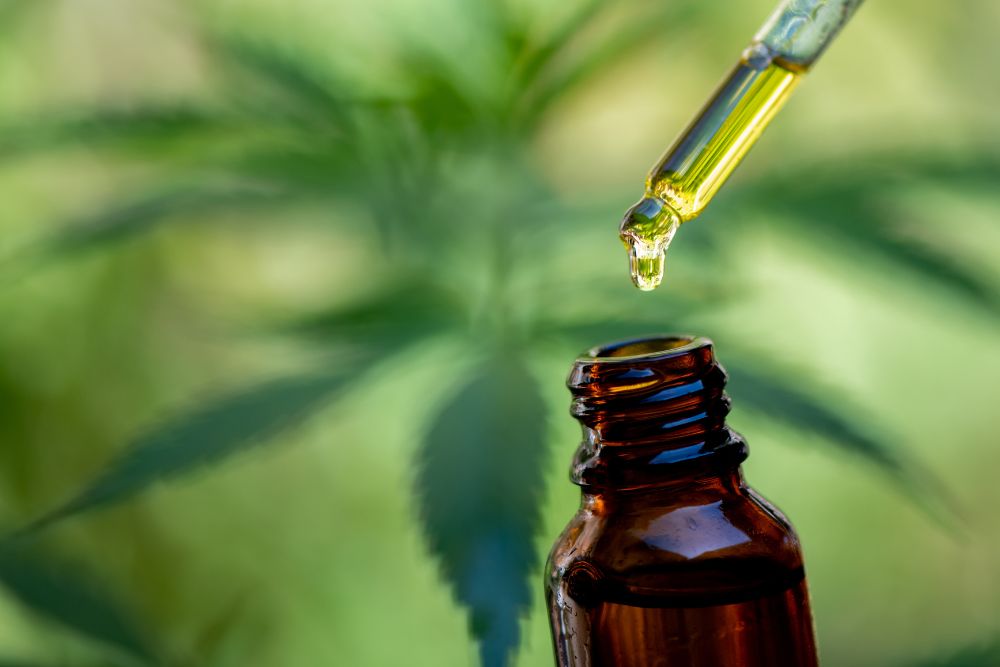
Botanical Sciences is Georgia’s first physician-founded, fully integrated medical cannabis company. Every product is cultivated and formulated in Georgia, then dispensed locally by our team. Irritable bowel syndrome (IBS) doesn’t have a cure, and flare-ups disrupt routines for many patients. That’s why many Georgians consider medical marijuana as an alternative therapy to address abdominal pain and bloating. If medical cannabis seems like it might fit into your IBS care plan, our dispensary experts are available to help you navigate product options and state requirements. Visit a Botanical Sciences dispensary to speak with a knowledgeable guide.
What Is Irritable Bowel Syndrome (IBS)
IBS is a chronic disorder of the stomach, intestines, and colon. The condition is linked to disrupted gut-brain communication, including visceral hypersensitivity (heightened nerve sensitivity in the gut) and dysmotility (abnormal intestinal motility). Unlike inflammatory bowel disease (IBD) or Crohn’s disease, IBS affects function without causing tissue injury or bleeding, and colon cancer risk remains unchanged. It’s especially common in the U.S., with conservative estimates placing prevalence around 10 to 15%. Typical symptoms include abdominal pain, bloating, and changes in bowel habits
Common Symptoms of IBS
- Abdominal pain or cramping
- Excess gas and bloating
- Changes in bowel habits (constipation, diarrhea, or both)
- A feeling of incomplete emptying
- Mucus in stool
The Different Types of IBS
Clinicians classify IBS by the predominant bowel habit during flare-ups. This framework guides diet choices, lifestyle strategies, plus symptom-focused care plans.
- IBS-C (Constipation-predominant): Hard, lumpy stools and infrequent bowel movements with abdominal discomfort.
- IBS-D (Diarrhea-predominant): Frequent, loose stools with urgency, cramping, and possible post-meal worsening.
- IBS-M (Mixed): Alternating constipation and diarrhea, often with bloating and variable pain patterns.
How Medical Marijuana Interacts With IBS
The ECS is a body-wide network that helps maintain balance across many organs, including the gastrointestinal (GI) tract. Cannabinoid receptor 1 (CB1) and cannabinoid receptor 2 (CB2) are present throughout the gut, where they interact with signaling molecules to influence inflammation, pain perception, intestinal permeability, plus motility (the movement of the digestive tract). An imbalance in ECS signaling has been associated with visceral hypersensitivity and irregular gut contractions seen in IBS. Cannabinoids such as THC and CBD act on these receptors and related pathways. While studies are ongoing, early evidence suggests that colon contractions may be regulated and pain signaling modulated through this system. Support for a calmer nervous system is often reported, which affects gut-brain communication.
Potential Benefits of Medical Marijuana for IBS
For some patients, medical cannabis may ease disruptive IBS symptoms and support a steadier daily routine. Care plans are individualized, and outcomes vary. Most importantly, however, the topics below are commonly reviewed with both healthcare providers and dispensary professionals.
1. Abdominal Pain Relief
IBS pain is often linked to visceral hypersensitivity. Gut nerves fire more easily, turning normal digestive sensations into cramps or sharp pain. Cannabinoids can influence pain receptors plus neurotransmitters that govern how pain signals are transmitted and perceived. For patients dealing with severe cramping or a tender, sensitive abdomen, medical marijuana may provide an alternative therapy that lowers pain intensity and improves comfort during flare-ups.
2. Support for Bowel Motility
The ECS helps regulate how quickly food and waste move through the digestive tract. When motility speeds up, urgency and diarrhea can follow; when it slows, constipation with hard stools becomes more likely. Cannabinoids may reduce overactive contractions in IBS-D and promote a steadier, more coordinated motility pattern. A more stable rhythm can mean fewer sudden trips to the restroom and more confidence when leaving the house.
3. Anti-Inflammatory Support
IBS is functional rather than primarily inflammatory, yet low-grade immune activation and barrier disruptions may influence symptoms for some patients. CBD, a non-intoxicating cannabinoid, has been studied for anti-inflammatory and antioxidant properties. By supporting a calmer gut environment and a healthier intestinal barrier, CBD-dominant products may soothe the GI tract and reduce gas and bloating. Many patients also describe less overall discomfort.
4. Stress Reduction and the Gut-Brain Connection
Stress is a common IBS trigger. When the nervous system is on high alert, the gut often follows: motility can speed up, cramping may intensify, and sensitivity can rise. Patients frequently report that the calming effects of medical marijuana ease day-to-day tension and nervousness, which supports a more balanced gut-brain axis. Better sleep and a steadier mood are often part of that response, and symptom flare-ups may lessen in both severity and frequency.
Is Medical Marijuana FDA Approved for IBS
Medical marijuana is not approved by the U.S. Food and Drug Administration (FDA) for IBS, and IBS alone does not qualify for the Georgia Medical Cannabis Patient Registry. Some individuals with IBS may have a separate, qualifying diagnosis such as intractable (chronic) pain or PTSD, which can make them eligible after evaluation by a Georgia-licensed physician. If you believe you may qualify because of a co-occurring condition, speak with a Georgia-licensed physician for guidance.
Risks and Side Effects for IBS Patients
Medical cannabis is not right for everyone. Side effects vary by dose, cannabinoid profile, plus personal sensitivity. Start low, go slow, and discuss your plan with a healthcare provider familiar with your medications and medical history. Common side effects include:
- Drowsiness or fatigue, especially with higher THC doses
- Dry mouth and thirst
- Changes in appetite that may affect meal timing and portion size
- Mild diarrhea in some people; IBS-D patients should monitor closely
- Possible drug interactions (for example, with sedatives or blood thinners; certain antidepressants may interact as well)
If you experience persistent side effects or symptom worsening, pause use and consult your clinician. Pregnant or breastfeeding individuals, along with those who have certain psychiatric or heart conditions, should seek specialized advice before using medical marijuana.
Using Medical Marijuana Safely for IBS
When used responsibly under medical guidance, medical cannabis can be integrated into comprehensive IBS care that addresses symptom relief, diet, and lifestyle. For gastrointestinal concerns, many patients prefer precise, measurable formats that are gentle on the stomach and easy to dose. At Botanical Sciences, physician-formulated options include tinctures for sublingual use, capsules for consistent dosing, edible formats such as squares, lozenges, and melts for discreet relief, along with topicals for targeted support. Work with your physician and a Botanical Sciences dispensary expert to find your optimal cannabinoid profile and dosage. Begin with low doses and increase gradually. Track symptom patterns in a journal to identify what works for you. All purchases are for in-store pickup at licensed Georgia dispensaries.