Key Takeaways
- A cannabis vape pen is a battery-powered device that heats cannabis extract to a specific temperature, turning cannabinoids and terpenes into an inhalable vapor without combustion.
- The most common hardware is the 510-thread battery, which pairs with a standard 510-thread cartridge containing the cannabis oil.
- Different extracts offer different experiences; a THC distillate cartridge provides high potency, while a solventless vape cartridge (like live rosin) preserves the plant’s full flavor and therapeutic profile.
- Vaping avoids the carcinogens associated with combustion, but its safety relies heavily on lab testing. The 2019 EVALI outbreak was strongly linked to vitamin E acetate THC vape additives in unregulated, black-market products.
- Under Georgia SB 220, vaporization of medical cannabis is permitted for registered patients 21 and older in private settings, with a milligram-based limit replacing the previous 5% THC cap. Smoking flower is still prohibited.
The traditional image of smoking is quickly being replaced by the discreet, efficient approach of THC vaping, especially for many patients exploring medical cannabis. As an alternative treatment, vaping provides precise, fast-acting relief without the harshness of combustion.
However, navigating the world of a weed vape can feel overwhelming for beginners. Understanding what a cannabis vape is, how the hardware functions, and how to approach inhalation safely makes this entire concept much more approachable.
What Is a THC Vape?
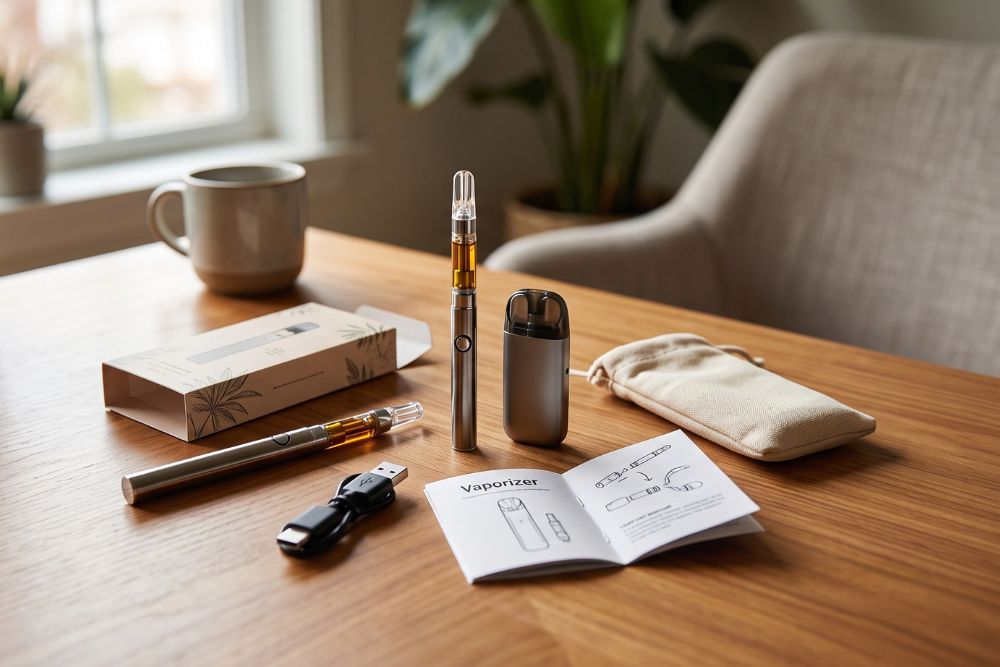
A cannabis vape pen (often referred to as a weed vape pen) is an electronic device that heats concentrated cannabis oil to a precise temperature. The device heats the cannabinoids and terpenes to an inhalable vapor, but stays cool enough to avoid combustion. By avoiding the burning process, a THC vape delivers the therapeutic properties of THC directly to the bloodstream through the lungs, which offers users rapid relief without harmful byproducts linked to smoke.
The appeal of THC vaping lies in its efficiency and discretion. Unlike traditional methods, vapor dissipates quickly and leaves a minimal scent. The oil’s concentrated nature means patients need much less product to achieve the desired effects.
How Inhalation Interacts with the Endocannabinoid System
When you consume an edible or a tincture, cannabinoids must pass through the digestive tract and the liver before entering the bloodstream. This process can take anywhere from 45 minutes to two hours, and the liver converts Delta-9 THC into a different, often more potent metabolite (11-hydroxy-THC).
Vaping bypasses the digestive system entirely. When the vapor enters the lungs, the cannabinoids are immediately absorbed directly into the bloodstream. From there, they travel rapidly to the brain and interact with the body’s endocannabinoid system. This direct pathway is why patients experience relief within minutes rather than hours, making it an invaluable tool for managing sudden symptoms like acute pain or muscle spasms.
When taking a capsule, a patient must wait hours to know if they took the right dose. With a vaporizer, they feel the effects almost immediately and can stop using it right when they reach their desired comfort level.
The Anatomy of a Cannabis Vape Pen
While designs vary, the mechanics are straightforward and rely on three parts working together.
| Component | Description |
|---|---|
| The Battery | The vape pen battery is the power source. The industry standard is the 510-thread battery, named for its 5-millimeter, 10-thread connection point. This universal design allows patients to easily attach and swap different cartridges. Many batteries offer variable voltage settings to control the heat. |
| The Cartridge | The vape cartridge (commonly called THC carts) is the glass or plastic chamber holding the concentrated cannabis oil. The 510 thread cartridge is the most common format, though some devices use proprietary pod systems. |
| The Heating Element | Often called the atomizer, this internal component sits inside the cartridge. It consists of a coil and a wick. The coil heats the THC vape oil or cannabis vape oil soaked into the wick, transforming the liquid into an inhalable vapor. Modern cartridges frequently use a ceramic coil cartridge rather than cotton wicks for smoother, more consistent heating. |
A Deeper Look at Cartridge Materials
Not all cartridges are manufactured to the same standard, and the materials used can significantly affect both the flavor of the vapor and patient safety.
- Glass vs. Plastic: High-quality cartridges are constructed from glass rather than plastic. Plastic cartridges are prone to cracking and can alter the taste of the extract. On the other hand, glass won’t leach chemicals into the oil over time or degrade when exposed to the atomizer’s heat.
- Ceramic vs. Cotton Coils: Traditional vape cartridges used cotton wicks wrapped in metal wire. While effective, cotton can easily burn if the oil runs low, resulting in a harsh, unpleasant vapor. A ceramic coil cartridge is now the preferred standard, as it’s highly resistant, can absorb thick oils, and offers a cleaner, more consistent flavor profile.
- Metal Components: The central post and cartridge threading are typically made of stainless steel or other metals. These must be heavy-metal-free to prevent contamination of the oil during the heating process.
Earlier designs were largely repurposed from the nicotine e-cigarette industry, and they weren’t designed with patient safety as the highest priority. Today’s hardware is specifically designed to keep patients safe while offering them a smoother, more consistent experience.
Types of THC Vape Devices
Beyond the standard cartridge-and-battery setup, the market offers several device styles tailored to different patient needs.
Disposable Vape Pens
A disposable weed vape is an all-in-one unit that comes pre-charged and pre-filled with cannabis oil. Once the extract is depleted or the battery dies, you discard the entire device. These offer unmatched convenience for beginners testing the waters, as they require no charging or assembly, but they lack environmental sustainability and typically don’t offer customizable temperature controls. For patients who travel frequently or those who have limited dexterity, disposables remain a highly accessible entry point.
Reusable 510 Thread Batteries
This is the most versatile option. Patients purchase a rechargeable 510-thread battery and attach pre-filled cartridges as needed. These batteries often feature variable voltage, so users can dial in the perfect temperature for flavor or vapor production. They’re more cost-effective over time and generate less electronic waste.
Pod Systems
Pod systems operate similarly to 510-thread batteries but use snap-in pods instead of screw-on cartridges. These devices are often sleeker and more discreet, but patients are limited to purchasing pods specifically designed for that brand’s hardware. The advantage of pod systems is that they often use magnetic connections and optimized airflow designs that reduce clogging while providing a very consistent draw.
Dry Herb Vaporizers
While most beginners start with oil cartridges, more experienced people can use dry herb vaporizers to heat raw cannabis flower. Instead of a liquid extract, the patient grinds the flower and places it in a heating chamber. The device bakes the plant material, releasing the active compounds as vapor. This provides the full spectrum of the plant’s natural profile but requires more maintenance and preparation than a pre-filled cartridge.
Types of THC Vape Extracts: What Is Inside the Cartridge?
The type of extract inside a THC oil cartridge dictates the flavor, potency, and overall therapeutic effect of the vapor. Different extraction methods produce distinct types of oil, and understanding these differences is crucial for finding the right alternative treatment.
Distillate
A THC distillate cartridge contains a highly refined oil that offers pure potency. The distillation process strips away native terpenes, plant matter, and minor cannabinoids, leaving behind an oil that is often 70% to 90% THC. Because the natural terpenes are removed, the distillate has very little flavor or aroma. This option is ideal for patients seeking high potency and consistent effects, especially since it’s often the most cost-effective option.
Live Resin
Live resin is an extract made from cannabis flower that gets flash-frozen immediately after harvest, rather than dried and cured. This preserves the plant’s delicate, volatile terpenes that are normally lost during the curing phase. The result is an oil with a robust, complex flavor profile that closely mirrors the living plant. Live resin provides a more comprehensive therapeutic experience, often referred to as the “entourage effect,” where cannabinoids and terpenes work synergistically.
Live Rosin
Live rosin takes the preservation of the plant a step further. While live resin uses chemical solvents during extraction, live rosin is entirely solventless. It’s created using only heat and pressure to squeeze the concentrated oils from the flash-frozen plant material. A solventless vape cartridge containing live rosin is highly prized by patients seeking the purest, most natural expression of the cannabis plant without any residual solvents, though this is often the most expensive option available.
Full-Spectrum Oil
Full-spectrum oil aims to capture the complete profile of the cannabis plant. Unlike distillate, which isolates specific compounds, full-spectrum extracts retain the natural ratios found in the source flower. This provides a balanced, holistic therapeutic effect. CO2 extraction is frequently used to produce high-quality full-spectrum oils, as it can be tuned to pull specific compounds without leaving behind any harmful residues.
Are THC Vapes Safe? Understanding the Risks and Regulations
While vaping avoids the carcinogens created by combustion, no inhalation method is entirely without risk. Medical cannabis can have some side effects, and understanding the specific risks of vaping is crucial for responsible use.
The EVALI Outbreak
The 2019 EVALI (e-cigarette, or vaping, product use-associated lung injury) outbreak highlighted significant THC vape safety concerns. According to the Centers for Disease Control and Prevention, there were 2,807 hospitalized EVALI cases or deaths reported to the CDC. This outbreak was strongly linked to vitamin E acetate and THC vape additives. These compounds were used by illicit manufacturers as thickening agents to make diluted, low-quality oils appear more potent. However, when heated and inhaled, these interfere with normal lung function and cause respiratory problems.
The Danger of the Black Market
The EVALI crisis underscores the severe danger of black market THC carts and unregulated weed vape oil. Many patients used to acquire their THC vapes from family, friends, online dealers, or shady dealers, rather than well-regulated commercial dispensaries. This meant that the vapes and liquids were created without oversight and likely contained dangerous cutting agents and untested hardware. Today, buying from anything other than a licensed, reputable dealer is a gamble that could have serious health consequences.
The Importance of Lab Testing
Legal, regulated dispensaries require strict Certificates of Analysis (COAs) from independent, third-party laboratories to ensure product purity and safety. These tests screen for potency, residual solvents, pesticides, mold, and heavy metals. Under Georgia’s Department of Agriculture standards, heavy metal limits are strictly enforced, and they are notably stricter for inhalable products than for ingestibles. Purchasing exclusively from licensed dispensaries is the only way to ensure these safety standards are met.
How to Read a Vape Cartridge COA
For patients seeking absolute transparency, understanding how to read a Certificate of Analysis is empowering. When reviewing a COA for a vape product, look for the:
- Cannabinoid Profile: This confirms the exact percentage of THC, CBD, and minor cannabinoids, ensuring the product matches the label and stays within legal limits.
- Terpene Profile: This lists the dominant terpenes, which can help patients predict the flavor and the specific therapeutic effects.
- Heavy Metals Testing: Ensure the product passes the strict inhalable limits mentioned above. The COA should list a “Pass” status next to lead, arsenic, cadmium, and mercury.
- Residual Solvents: If the product is a distillate or live resin, the COA will confirm that all chemical solvents have been purged to safe, undetectable levels.
- Pesticides and Microbial Screening: This ensures the original plant material was grown safely, free from harmful agricultural chemicals and dangerous molds.
Vaping vs. Smoking Weed: What Is the Difference?
The debate of vaping vs. smoking weed comes down to temperature and combustion. Smoking involves burning the plant material at extremely high temperatures. However, this damages some of the delicate, therapeutic terpenes and produces harmful respiratory byproducts. Additionally, smoking flower remains illegal in Georgia and carries legal risks along with health concerns.
Vaping uses controlled heat to release the active compounds without burning the flower or oil. The vapor produced is fundamentally different from smoke; it’s an aerosol of the plant’s essential oils. This can reduce exposure to carbon monoxide and other toxins compared to traditional smoking, making vaping a precise, smoke-free alternative therapy.
Regardless of method, inhaling any substance carries some level of respiratory impact. The lungs are adapted to inhale oxygen, not hot aerosols. Patients with pre-existing lung conditions, such as asthma or chronic obstructive pulmonary disease (COPD), should consult their physician before starting inhalation therapy.
How to Use a THC Vape Pen: A Step-by-Step Guide for Beginners
Many beginners make the mistake of treating a vape pen like a traditional combustible, drawing too hard or holding the vapor in for too long. But learning how to use a THC vape pen correctly is the key to giving yourself a comfortable and effective experience.
1. Prepare the Device
Ensure your battery is fully charged. Screw the vape cartridge onto the 510-thread battery, and be careful not to overtighten. If you are using a button-activated battery, turn it on (usually by clicking the button five times rapidly). Some batteries are draw-activated, meaning they turn on automatically when you inhale.
2. Select the Right Temperature
If your battery has adjustable settings, finding the best temperature to vape THC is important. Devices typically let you switch between:
- Low Temperature (320°F–350°F): This preserves the delicate terpenes, offering the best flavor and a smoother, cooler vapor. This is ideal for live resin or rosin, as it prevents the volatile compounds from burning off.
- Medium Temperature (350°F–400°F): This strikes a balance between flavor and vapor production, offering a more robust therapeutic effect. This is the standard range for most distillate cartridges.
- High Temperature (400°F+): This produces thick vapor clouds and maximum cannabinoid extraction, but degrades flavor and can be harsh on the throat. It increases the risk of coughing and throat irritation.
3. The Draw
When you are ready, take a slow, gentle draw from the mouthpiece. Don’t pull hard as you might with a traditional joint; that lets the atomizer heat the oil evenly and prevents the oil from being pulled up into the mouthpiece. Inhale the vapor directly into your lungs, then exhale naturally. There’s no medical benefit to holding the vapor in your lungs for an extended period, because the cannabinoids are absorbed almost instantly.
4. Dosing Discipline
Dosing discipline is the most critical aspect of how to vape THC safely. Because vape concentrates are highly potent, beginners should take one small puff (about two to three seconds) and wait 15 to 30 minutes to gauge the effects before consuming more. This “start low and go slow” approach is the cornerstone of responsible use.
Understanding Terpene Boiling Points
The reason temperature control matters so much is directly tied to the role of terpenes in cannabis medicine. Each terpene has a specific boiling point, so if the temperature is set too high, these compounds are destroyed before they can provide any therapeutic benefit. These points are:
- Pinene: Vaporizes around 311°F. Known for its pine aroma and potential to support focus and alertness.
- Caryophyllene: Vaporizes around 320°F. This peppery terpene is unique because it also acts as a cannabinoid, potentially offering anti-inflammatory benefits.
- Myrcene: Vaporizes around 334°F. The most common cannabis terpene, associated with earthy flavors and relaxing, sedative effects.
- Limonene: Vaporizes around 349°F. Offers a citrus aroma and is often linked to mood elevation and stress relief.
- Linalool: Vaporizes around 388°F. Known for its floral, lavender scent and strong calming properties.
By keeping the vape battery at a lower setting, patients can ensure they’re vaporizing these delicate compounds rather than burning them. That’s the key to maximizing the therapeutic benefits of the extract.
Troubleshooting Common Vape Issues
Even the best hardware can occasionally experience hiccups. Understanding how to resolve these minor issues ensures your therapy remains uninterrupted.
Clogging
If the cartridge feels blocked, the oil has likely cooled and thickened in the mouthpiece. This often happens if the device is left in a cold environment or if the user draws too forcefully, pulling unvaporized oil into the airway. Try using the pre-heat function on your battery (often activated by clicking the button twice), or, if needed, gently warm the cartridge by rolling it between your hands. Never use a lighter or open flame to heat the cartridge.
Burnt Taste
A burnt taste usually means the atomizer is dry or the temperature is too high. Ensure there is enough oil in the cartridge. If the oil level is fine, lower your voltage setting, and take shorter draws to let the wick re-saturate with oil between puffs.
Battery Not Firing
Check the connection points between the battery and the cartridge. Sometimes, a small amount of oil can leak and disrupt the electrical connection. Clean the contacts gently with a cotton swab and a single drop of isopropyl alcohol, and let it dry completely before reattaching the cartridge.
Leaking
Leaking usually occurs when the cartridge is exposed to extreme heat (like being left in a hot car) or significant changes in altitude (like flying on an airplane). Store the cartridge upright in a temperature-controlled environment.
Proper Storage and Maintenance
To protect your investment and ensure consistent relief, proper storage is essential. Always store your THC cartridges upright to keep the oil pooled around the wicking holes at the bottom of the cartridge. If stored on their side, the oil will flow away from the wick, leading to dry hits and burnt coils. Keep them in a cool, dark place away from direct sunlight or extreme heat, which can degrade the cannabinoids and cause the oil to leak, and when traveling, disconnect the cartridge from the battery to prevent accidental firing in your pocket or bag.
What to Expect: Effects, Onset, and Duration
Setting accurate expectations for the healing journey helps patients feel in control. When patients ask what vaping THC feels like, the answer depends heavily on the rapid absorption rate. Inhaled cannabis enters the bloodstream quickly through the lungs, bypassing the digestive system.
Onset and Duration
The effects typically begin within 1 to 5 minutes, and most patients experience peak effects around 15 to 30 minutes, with the overall duration lasting 1 to 3 hours. This rapid onset and relatively short duration make vaping an excellent choice for acute symptom management, but it may require more frequent dosing than long-lasting edibles or capsules.
Understanding Potency
It is vital to respect the strength of THC vapes. Average cannabis flower contains roughly 17% to 18% THC, whereas vape concentrates can reach 70% to 90% THC or higher. A 1,200 mg container of concentrated oil differs greatly from traditional flower, so mindful dosing is essential. High-potency products can induce unwanted side effects, such as increased heart rate or nervousness, if consumed too quickly.
Georgia Medical Cannabis Laws: SB 220 and Vaporization
Under Georgia SB 220, registered patients can now vape medical cannabis if they’re over the age of 21. This represents a massive expansion of patient access and moves Georgia closer toward a more modern, patient-first framework. By removing the arbitrary percentage cap, physicians and patients can now select the potency that best manages their specific condition. However, smoking and public consumption are still strictly prohibited.
Patients must use these products responsibly and in accordance with state guidelines to protect their legal standing. If you’re looking for the perfect product for you, our team at Botanical Sciences can help. Check out our product selection online, or visit one of our many physical locations to discover an alternative treatment that works for you.

